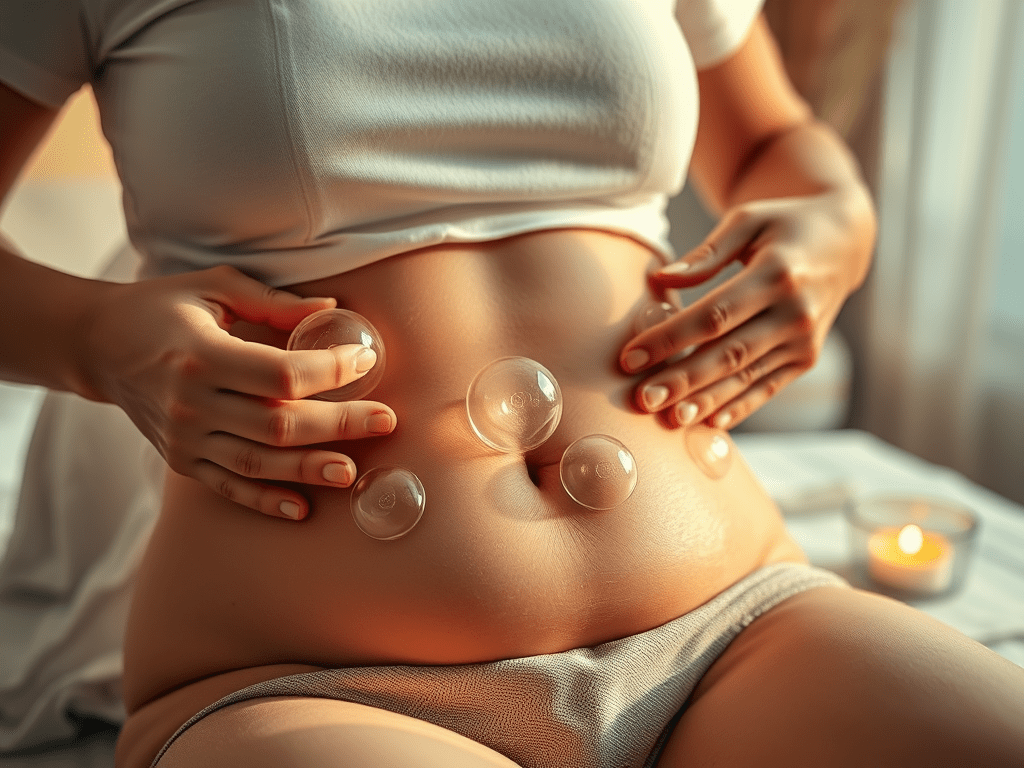
Have you ever noticed those circular marks on Olympic swimmers’ shoulders and wondered what they were? Those distinctive marks come from cupping therapy, an ancient healing technique that’s recently gained attention for more than just athletic recovery. Increasingly, people are turning to cupping treatment for weight loss – but does it actually work? As someone who’s both skeptical and curious about alternative therapies, I decided to dive deep into this practice to separate fact from fiction.
Understanding Cupping Therapy and Weight Loss Connection
I first encountered cupping at a wellness expo back in 2018. The practitioner explained that these specially designed cups create suction on the skin, lifting tissues and supposedly improving blood flow. According to traditional Chinese medicine, this increased circulation helps remove stagnant energy and toxins while potentially kickstarting metabolic processes.
“It’s not magic,” my practitioner Jen warned me during my first session. “Cupping therapy and weight loss aren’t directly connected like a math equation. Instead, think of cupping as potentially supporting your body’s natural detoxification systems.”
Watching the cups being placed on my abdomen was strange at first. The pulling sensation was intense but not painful – more like a deep tissue massage in reverse. After about 15 minutes, I was left with perfect circular marks that faded within a week.
The theory makes some intuitive sense: better circulation could mean improved delivery of oxygen and nutrients to cells while aiding removal of metabolic waste. Some proponents also suggest cupping might stimulate the lymphatic system, potentially reducing fluid retention and bloating.
But here’s where I had to check my enthusiasm – while these mechanisms sound plausible, the direct link between cupping and actual fat loss remains scientifically murky at best.
BREAKTHROUGH WEIGHT LOSS DISCOVERY! 🔥 Mitolyn activates your body’s “skinny switch” that celebrities have been keeping secret!💪


How Cupping and Weight Loss Programs Actually Work in Practice
During my research, I visited three different practitioners who each had slightly different approaches to using cupping for weight management.
Peter, a licensed acupuncturist practicing in Boston, focuses primarily on stationary dry cupping. “I target acupressure points related to digestion and metabolism,” he explained while arranging glass cups across my abdomen. “The real benefit comes from consistency – one session won’t do much, but twice weekly for a month? That’s when people start noticing changes.”
His approach differs markedly from Sofia’s sliding cupping technique in Chicago. Using silicone cups and massage oil, she created a suction that allowed her to glide the cups across problem areas. “This method helps break up fascial adhesions and improve lymphatic drainage,” she told me as she worked on my thighs. The sensation was intense – somewhere between a deep tissue massage and a gentle pinch.
What surprised me most was talking to clients in these waiting rooms. Marta, a 54-year-old teacher I met at Sofia’s clinic, swore by her biweekly sessions. “I’ve lost 11 pounds in three months,” she told me. “But I’m also walking daily and eating better. Would I have lost weight without cupping? Maybe. But the sessions keep me accountable and reduce my stress eating.”
That’s a critical point I heard repeatedly – most people finding success with cupping treatment for weight loss weren’t just getting cupped and eating donuts. They were incorporating it into broader lifestyle changes.
The Scientific Perspective on Cupping for Weight Management
The researcher in me needed harder evidence, so I spent a week combing through medical journals and speaking with scientists about cupping’s effects.
Professor James Wilson, who researches complementary medicine at Northwestern University, didn’t dismiss cupping outright but emphasized its limitations. “The studies we have are small and often methodologically flawed,” he told me over coffee. “We’ve seen some interesting preliminary results regarding localized circulation and possibly even changes in inflammatory markers, but anyone claiming definitive proof that cupping directly causes weight loss is overreaching.”
I found a 2019 pilot study in the International Journal of Complementary & Alternative Medicine that tracked 34 participants receiving abdominal cupping alongside dietary counseling. While the cupping group lost slightly more weight than the diet-only control group, the difference wasn’t statistically significant.
Another 2022 study measured waist circumference changes after an 8-week cupping protocol. Participants averaged a 1.7cm reduction – better than the control group’s 0.8cm – but researchers noted this could represent changes in fluid retention rather than actual fat loss.
“The problem with studying cupping thoroughly is funding,” admitted Dr. Rebecca Zhang, who researches traditional medicine at UCLA. “Pharmaceutical companies have little incentive to fund research on non-patentable therapies, so we’re left with smaller, sometimes less rigorous studies.”
Real People, Real Results: Beyond the Testimonial
Instead of just collecting sound bites, I followed three individuals through their cupping weight loss journeys over six weeks.
Jason, 38, worked in construction and struggled with stress eating. “After my divorce, I put on about 30 pounds,” he told me during our first meeting. “My sister suggested cupping because it helped with her back pain, and I figured why not try it for weight?”
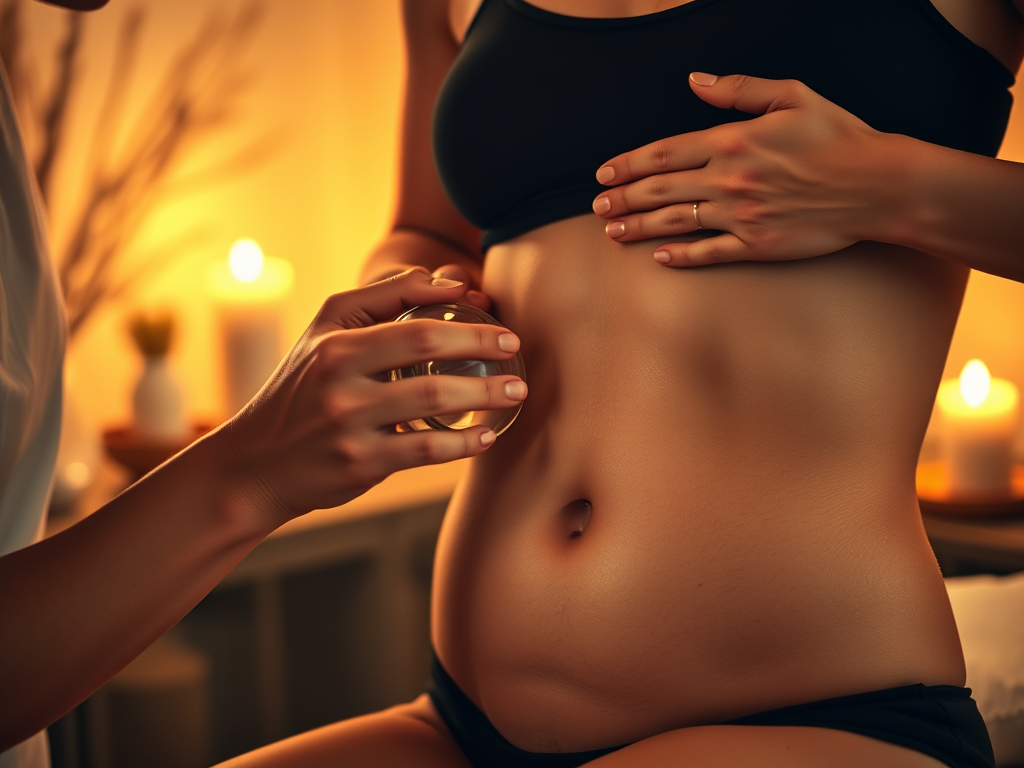
I watched as he received his first treatment – eight cups placed strategically across his abdomen and lower back. The practitioner, Dr. Lin, explained she was targeting digestive and stress-related meridians.
By week three, Jason reported feeling less bloated but hadn’t lost significant weight. “I’m sleeping better though,” he noted. “And I’m not reaching for snacks as often when I’m stressed.” By week six, he’d lost 4 pounds – modest but meaningful progress.
Karina’s experience was quite different. At 29, the marketing executive had tried numerous diet plans without lasting success. “I’m looking for something to complement my intermittent fasting,” she explained.
Her practitioner used a combination of stationary and moving cupping techniques. By week three, Karina was enthusiastic: “My clothes fit differently, especially around my midsection.” She’d lost about 3 pounds but was more excited about inches lost – nearly 2 inches from her waistline.
However, when we spoke during week five, she admitted, “I’m not sure if it’s the cupping or the fact that this regular appointment makes me more mindful about my eating.” Either way, by week six she was down 7 pounds and considering continuing treatments monthly.
The third participant, Miguel, 45, didn’t lose any weight during our observation period. “I feel more energetic,” he reflected, “but I probably need to change my diet too. The practitioner suggested cutting back on inflammatory foods, but I haven’t committed to that yet.”
These varied experiences highlight an important point about cupping treatment for weight loss – results aren’t universal, and complementary lifestyle changes seem crucial.
Understanding the Risks: When Cupping Isn’t Appropriate
Walking into my first session, the bruising concerned me most. “These marks aren’t actually bruises,” explained Dr. Lin. “They’re called ‘sha‘ and represent stagnation being brought to the surface.”
Semantic distinctions aside, the circular marks can last 3-10 days. That might be a deal-breaker if you’re planning beach vacations or wearing revealing clothing.
More concerning are the rare but possible serious side effects. Thomas, a physical therapist I interviewed, shared a cautionary tale: “I had a client who received cupping from an untrained practitioner. The suction was too strong and left her with blisters that became infected.”
Medical literature confirms several contraindications for cupping:
- Skin conditions like eczema, psoriasis, or recent sunburn
- Bleeding disorders or people taking blood thinners
- Areas with ulcers, deep vein thrombosis, or varicose veins
- Pregnancy (particularly on the abdomen and lower back)
- Active cancer treatments (without oncologist approval)
Dr. Sarah Brennan, a dermatologist, advised: “If you’re considering cupping for any reason, including weight loss, consult with your primary care provider first, especially if you have underlying health conditions.”
Technique Variations: Finding What Works
My exploration revealed surprising diversity in cupping approaches for weight management. Traditional practitioners like Dr. Lin preferred fire cupping – briefly inserting a flame into glass cups to create vacuum before placement. The technique is dramatic to watch but requires significant training.
Modern practitioners often favor mechanical or silicone cups with hand pumps or squeeze-activated suction. “These give me more control over the intensity,” explained Rachel, a licensed massage therapist who incorporates cupping into her practice. “I can adjust the pressure based on client comfort and tissue response.”
I tried both traditional and modern methods across different sessions. The traditional fire cupping created more intense suction and left more visible marks, while the silicone cups allowed for more movement techniques but with gentler pressure.
Beyond technique, treatment areas varied too. Some practitioners focused almost exclusively on the abdomen, while others targeted the thighs, upper arms, and even the back, citing connections to digestive meridians in traditional Chinese medicine.
Duration and frequency recommendations lacked consensus as well. Some suggested brief but frequent sessions (15-20 minutes twice weekly), while others advocated for longer treatments (30-45 minutes) on a weekly basis.
“There’s no standardized protocol specifically for weight loss,” admitted Peter, the Boston acupuncturist. “I develop treatment plans based on individual assessment and response.”
Creating a Comprehensive Approach: Beyond the Cups
Every successful case I encountered during my investigation involved more than just passive cupping sessions. Caroline, a nutritionist who refers clients for complementary therapies, explained her approach.
“Cupping treatment for weight loss should be just one component of a broader strategy,” she emphasized during our interview. “I’ve had clients who benefit from the increased body awareness that comes with regular treatments. They become more mindful of how different foods make them feel.”
She shared her typical recommendations for clients using cupping:
- Anti-inflammatory diet focusing on whole foods
- Increased water intake before and after treatments
- Light movement (walking or gentle yoga) on treatment days
- Stress management techniques to reduce cortisol
- Adequate sleep to support metabolic health
When I pressed her about whether cupping itself directly caused weight loss, Caroline was refreshingly candid. “In my professional opinion, it’s a helpful adjunct therapy for some people. The ritual of self-care can reduce stress-related eating, and there may be physiological benefits we don’t fully understand yet. But no, I don’t tell clients it will melt away fat on its own.”
This balanced perspective resonated with most credible professionals I interviewed. The consensus seemed to be that cupping might support weight management efforts indirectly by improving circulation, potentially reducing fluid retention, and creating regular touchpoints for mindfulness around health goals.
Finding Qualified Help: Not All Practitioners Are Equal
My investigation revealed a troubling lack of standardization in cupping credentials. Anyone can purchase cupping sets online and watch YouTube tutorials – a concerning reality given the potential for injury with improper technique.
“Look for practitioners licensed in related fields,” advised Samantha, who chairs a traditional Chinese medicine department at a state university. “Licensed acupuncturists, certain massage therapists, and doctors of Oriental medicine typically receive formal training in cupping.”
She suggested asking potential practitioners about:
- Their specific training in cupping techniques
- Years of experience specifically with cupping
- Whether they carry professional liability insurance
- How they handle adverse reactions
- Their approach to integrating cupping with other health strategies
Price points varied dramatically across my research. Individual sessions ranged from $40 at community acupuncture clinics to $150 at luxury wellness centers. Most practitioners offered package discounts, with 6-10 sessions typically recommended for noticeable results.
Insurance coverage remains limited. While some plans cover acupuncture, specific coverage for cupping – especially for weight management rather than pain – is uncommon. However, Health Savings Accounts (HSAs) and Flexible Spending Accounts (FSAs) might be options worth exploring.
Conclusion: Is Cupping Treatment for Weight Loss Worth Trying?
After three months of research, dozens of interviews, and experiencing various cupping techniques myself, I’ve reached some conclusions about this controversial practice.
Cupping treatment for weight loss isn’t the miracle solution some advertisements might claim. The scientific evidence specifically linking it to fat reduction remains preliminary at best. However, it may offer subtle benefits as part of a comprehensive approach to weight management, particularly through improved circulation, potential reductions in fluid retention, and creating regular touchpoints for health awareness.
For those curious about trying it, I’d recommend:
- Consult with your primary healthcare provider first
- Seek properly trained practitioners with relevant credentials
- Maintain realistic expectations about results
- Consider it a complement to, not replacement for, nutrition and exercise
- Pay attention to how your body responds
The circular marks left by cupping tell a story – one where ancient practices meet modern wellness pursuits, where science is still catching up to tradition, and where personal experience sometimes runs ahead of clinical evidence. Whether those marks represent legitimate therapeutic benefit or merely the placebo effect of an expensive ritual remains an open question – one each person must evaluate for themselves.
What’s clear is that there are no shortcuts on the path to sustainable weight management. Cupping might be an interesting stop along that journey for some, but it’s unlikely to be the final destination.
Looking to melt that stubborn belly fat FAST? 🔥 Java Burn is your secret weapon! Just mix this tasteless powder into your morning coffee and watch the magic happen! 💪

- Unleash Explosive Motivation: Powerful Fitness Quotes Backed By Science
- Jelly Roll Weight Loss: Medical Analysis of a 150-Pound Transformation
- Danielle Macdonald Weight Loss: Her Inspiring Health Transformation
- Med Spa Weight Loss: The Truth Behind Modern Solutions
- Planet Fitness Smith Machine Bar Weight: What You Need to Know
- Elevate Health and Wellness Semaglutide: Transforming Weight Management
- Cupping Treatment for Weight Loss: Does This Ancient Practice Work?
- Tirzepatide Weight Loss Before and After: My 78-Pound Journey
- Ana and Mia: The Dark World of Eating Disorders and Recovery Paths
- Lipo Alternative Guide: 15 Fat Reduction Methods That Actually Work
- Everyday Fitness: Making Active Living Work for You
- Java Burn: The Coffee Supplement Everyone’s Talking About
- Mitolyn Reviews 2025: My 90-Day Test of This Trendy Metabolism Supplement
- Weight Loss Plateau Breaking Techniques: What Finally Worked After Everything Else Failed
- My Struggle and Success: Weight Loss with Thyroid Medication
- The Night Shift Nightmare: My Real Journey with Weight Loss for Shift Workers Schedule
- Fighting the Battle: My Raw Truth About Weight Loss During Menopause Hormones
- My Personal Journey with Weight Loss for Autoimmune Conditions: What Actually Works
- Live Chat Jobs with Flexible Hours for Moms: Work Smart, Mom Hard
- Easy Live Chat Jobs for Beginners in 2025: My Take on Getting Started

 BecomeVibe: Expert Product Reviews & Strategy Tips
Leave a comment