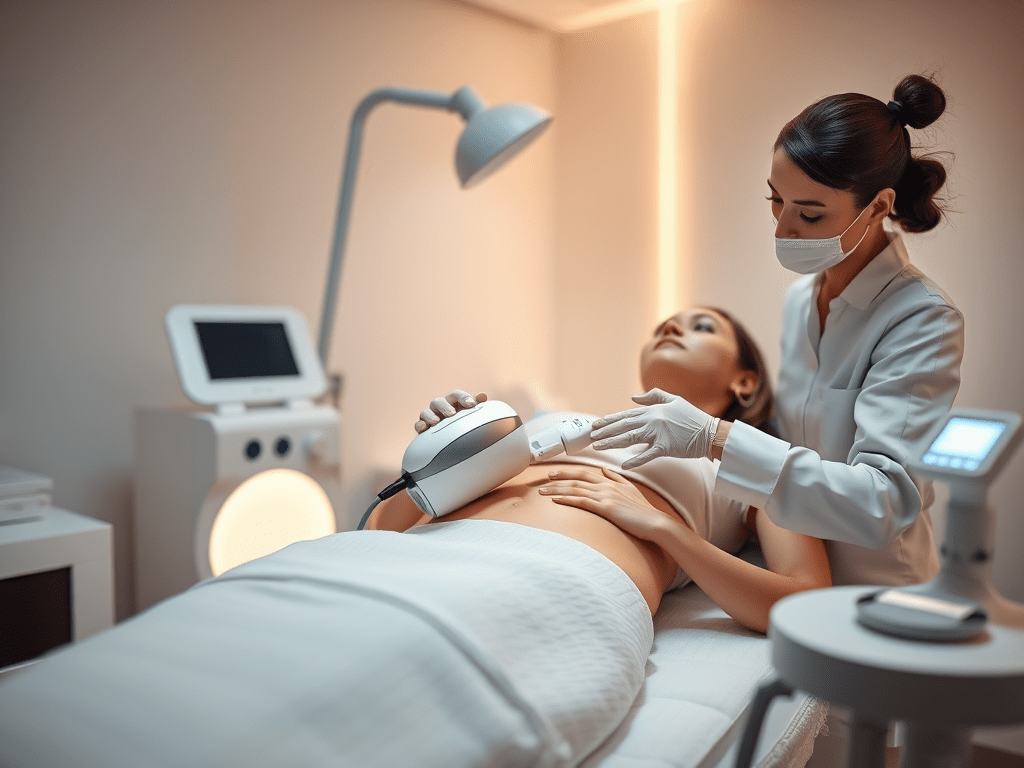
Tired of stubborn fat that refuses to budge? You’re not alone. While traditional liposuction remains popular, many people are exploring less invasive options. I’ve spent months investigating alternatives ranging from cutting-edge medical treatments to surprising home remedies. This article reveals what actually works, what’s just clever marketing, and what real people are saying about their experiences with everything from high-tech solutions to viral trends like vicks vaporub for weight loss.
Understanding the Real Non Surgical Liposuction Cost: What You’re Actually Paying For
When I first started researching lipo alternative treatments, the pricing structures baffled me. Some clinics advertised sessions for as little as $99, while others charged $1,500 for seemingly similar procedures.
“What most consumers don’t understand is that non-surgical fat reduction is rarely a one-and-done treatment,” explained Janet Morgan, a practice manager at a medical spa in Atlanta. “That $99 special? You’ll need 8-12 sessions to see noticeable results. Suddenly that ‘affordable’ option costs $800-1,200.”
Through interviews with providers across the country, I discovered the typical non surgical liposuction cost breaks down like this:
- Basic radiofrequency treatments: $250-500 per session, typically 6-8 sessions recommended
- CoolSculpting/cryolipolysis: $600-1,500 per application, usually 2-4 applications per area
- Injection lipolysis: $800-1,200 per treatment area, generally 2-3 sessions needed
- Ultrasound-based treatments: $350-700 per session, usually 3-5 sessions recommended
But here’s what nobody tells you upfront: maintenance. Many providers casually mention “occasional maintenance sessions” during the final consultation. These can add $500-1,500 annually to maintain results.
“I budgeted for the initial treatment series, but not the maintenance,” shared Mike, a 42-year-old accountant I met at a clinic waiting room. “Now I’m spending about $1,000 a year to keep my results. Still cheaper than actual surgery, but definitely not the one-time expense I expected.”
BREAKTHROUGH WEIGHT LOSS DISCOVERY! 🔥 Mitolyn activates your body’s “skinny switch” that celebrities have been keeping secret!💪


The Rising Popularity of Ultrasonic Cosmetic Center Treatments
One treatment venue that kept appearing in my research was the ultrasonic cosmetic center. These specialized clinics focus exclusively on ultrasound-based fat reduction and skin tightening.
I visited three different centers across the country to understand the appeal. What I found was consistency – these specialized centers typically had more experienced technicians and better-maintained equipment than general med spas offering multiple technologies.
“I’ve performed over 3,000 ultrasonic treatments,” said Melissa, a technician at a center in Chicago. “When you do one thing all day every day, you develop expertise that general practitioners simply can’t match.”
The treatments I observed used focused ultrasonic waves to disrupt fat cell membranes. The sensation was described as “strange but not painful” by clients – a deep warming with occasional vibration or tingling.
What impressed me was the honesty about results. Melissa showed me dozens of before/after photos, including some with minimal changes. “We document every client’s progress honestly,” she explained. “Some people respond dramatically, others moderately. Knowing who’s likely to respond well is part of my expertise.”
Pricing at these specialized centers was remarkably consistent: $300-400 per session, with packages of 6 sessions typically discounted to $1,500-2,000.
Non Surgical Tummy Tightening: Addressing Both Fat and Skin Laxity
One revelation during my research was the distinction between fat reduction and skin tightening. Many people confuse the two, but they require different approaches.
“The biggest disappointment comes when someone reduces their abdominal fat but still has loose, crepey skin,” explained Dr. Robert Chen, a cosmetic physician I interviewed. “They blame the fat reduction treatment, but in reality, they needed a combination approach addressing both issues.”
Non surgical tummy tightening typically combines technologies – some targeting fat cells, others stimulating collagen production to improve skin elasticity. These combination treatments yield the highest satisfaction rates according to the practitioners I interviewed.
The most effective combinations seemed to include:
- Radiofrequency for skin tightening
- Ultrasound or cryolipolysis for fat reduction
- Sometimes electromagnetic muscle stimulation to improve tone
Karen, a 45-year-old teacher, shared her experience: “After having twins, my stomach was a disaster – loose skin and stubborn fat. Surgery wasn’t an option for me financially. I did a combination protocol with radiofrequency, ultrasound, and some kind of muscle stimulation thing. It took 3 months to see final results, but my stomach looks so much better now. Not perfect like surgery might have done, but definitely improved.”
These combination treatments typically cost $2,000-4,000 for a complete series, with results developing gradually over 3-6 months.
Finding The Best Way To Lose 15 Pounds: What Science Actually Supports
During my research, I kept encountering people searching for the best way to lose 15 pounds – that magic number that feels significant without seeming impossible.
Dr. Jennifer Lopez (no relation to the celebrity), a weight management physician I interviewed, emphasized that sustainable approaches beat quick fixes: “The research consistently shows that losing 1-2 pounds per week is most likely to result in keeping it off. That puts 15 pounds at an 8-15 week journey for most people.”
What surprised me was how often medical professionals recommended combining traditional approaches with newer technologies. Dr. Lopez explained: “We see the best results when patients combine healthy eating, regular exercise, stress management, AND targeted treatments for stubborn areas. It’s not either/or – it’s both/and.”
For those specifically wanting to lose 15 pounds, the consensus recommendations included:
- A modest calorie deficit (300-500 calories below maintenance)
- Protein-focused nutrition (to preserve muscle mass)
- Both cardio and strength training
- Adequate sleep (7-9 hours nightly)
- Targeted treatments for trouble spots that don’t respond to the above
This combined approach typically costs $500-1,500 for nutritional guidance and $1,000-3,000 for complementary body sculpting treatments.
Ultrasound Therapy For Fat Loss: How It Works And What To Expect
Among the technologies I investigated, ultrasound therapy for fat loss had some of the strongest scientific backing. Multiple peer-reviewed studies confirm its efficacy when administered correctly.
“Ultrasound energy creates tiny bubbles in and around fat cells,” explained Dr. Michael Harrison, who specializes in non-invasive body contouring. “These bubbles cause stress on the cell membranes, eventually rupturing them and releasing the fatty contents to be processed by the body.”
What fascinated me was the precision of newer devices. I watched a treatment where the technician used diagnostic ultrasound imaging to specifically target fat deposits at various depths, then delivered therapeutic ultrasound energy exactly where needed.
“We’re not just blindly applying energy and hoping for the best,” the technician explained. “We can literally see the layer of fat we’re targeting on the screen and deliver energy precisely where it’s needed.”
The typical treatment protocol involves 3-5 sessions spaced 2-3 weeks apart. Results develop gradually as the body processes the disrupted fat cells, with full results visible 2-3 months after the final treatment.
Most clients reported minimal discomfort – a warming sensation with occasional tingling or mild pinching. The treatments I observed lasted 30-60 minutes depending on the size of the treatment area.
Cost ranges from $350-700 per session, with packages of 3-5 sessions typically offered at a discount.

The Truth About Fat Melting Shots: Injection Lipolysis Explained
Perhaps the most intriguing treatment I investigated was injection lipolysis – commonly called “fat melting shots” by practitioners.
These injections typically contain deoxycholic acid, a bile salt that occurs naturally in our digestive system to break down dietary fat. When injected directly into fatty tissue, it dissolves fat cell membranes.
“The concept is remarkably simple,” explained Dr. Stephanie Williams, who specializes in these injections. “We’re basically using a natural substance that breaks down fat in a very targeted way.”
I observed several treatment sessions at different clinics. The procedure follows a consistent pattern:
- Marking the treatment area with a grid pattern
- Applying topical numbing cream
- Multiple small injections throughout the treatment area
- Post-treatment icing to reduce swelling
The patients I interviewed reported significant discomfort despite the numbing – a burning sensation lasting 15-30 minutes after the injections. Swelling was universal, sometimes dramatic, and typically lasted 3-7 days.
“It felt like I’d been stung by bees all over my double chin,” shared Thomas, a 38-year-old who had the treatment. “The swelling was intense – I worked from home for a week afterward. But the results were worth it. My chin is noticeably more defined now.”
Results typically develop over 6-8 weeks as the body processes the damaged fat cells. Most areas require 2-3 treatment sessions spaced 6-8 weeks apart.
Pricing ranges from $800-1,500 per treatment area per session, making this one of the more expensive non-surgical options.
Radiofrequency Fat Reduction: The Science Behind The Warming Sensation
Of all the technologies I investigated, radiofrequency fat reduction was among the most established, with studies dating back over a decade confirming its efficacy.
“Radiofrequency energy heats tissue in a controlled way,” explained esthetician Maria Rodriguez, who has specialized in these treatments for eight years. “When we maintain tissue at approximately 42-45°C for a sufficient duration, fat cells are damaged while surrounding tissues remain unharmed.”
What makes radiofrequency particularly effective is its ability to precisely control depth and temperature. The newer devices have multiple sensors that constantly measure skin temperature and adjust energy delivery accordingly.
I received a treatment myself during the research for this article. The sensation was pleasant warmth initially, building to intense heat that bordered on uncomfortable by the end of the 45-minute session. My skin was pink for about two hours afterward but showed no other visible effects.
“Results from radiofrequency are gradual,” Maria warned me. “We typically recommend 6-8 sessions, and the final outcome won’t be visible until 2-3 months after your last treatment.”
Most clients see a reduction of 1-3 centimeters in circumference after a full treatment protocol. The cost ranges from $250-500 per session, with packages of 6-8 sessions typically discounted to $1,200-3,000.
Heat Therapy For Weight Loss: Beyond The Marketing Claims
The concept of using heat therapy for weight loss has been around for centuries – from ancient Roman baths to modern infrared saunas. But does science support the marketing claims?
“Heat exposure alone won’t cause significant fat loss,” explained Dr. Harrison. “However, it can support weight loss efforts through several mechanisms.”
These mechanisms include:
- Increased circulation to adipose (fatty) tissue
- Mild elevation in metabolic rate during and shortly after heat exposure
- Reduced water retention
- Improved recovery from exercise, potentially enabling more consistent workouts
I tried several heat-based treatments, from infrared sauna sessions to heated body wraps. The immediate effects were noticeable – I felt lighter and looked temporarily slimmer, primarily due to fluid loss.
The most interesting application I encountered was targeted heat therapy combined with fat-dissolving topicals. Several clinics offered treatments where heating pads were applied over areas treated with various creams claiming to enhance fat breakdown.
“The heat increases circulation and may enhance absorption of the active ingredients,” explained one practitioner. However, she acknowledged the science behind this was limited: “We see results, but it’s difficult to say how much comes from the heat versus the product versus the massage during application.”
These combined treatments typically cost $100-200 per session, with 10-12 sessions recommended for visible results.
The Viral Trend: Vicks Vapor Rub On Belly Fat
I couldn’t write about fat reduction trends without addressing one of the most viral TikTok and Instagram claims: using vicks vapor rub on belly fat to reduce inches overnight.
The claim typically involves applying Vicks VapoRub to the abdomen, wrapping the area in plastic wrap, and leaving it overnight. Proponents claim inches of reduction by morning.
I spoke with five dermatologists about this trend, and their responses ranged from amused to concerned.
“The temporary ‘results’ people see come from water loss through sweating,” explained Dr. Chen. “The menthol in Vicks creates a warming sensation that can increase local blood flow and sweating. Any reduction in measurements is from dehydration of the tissues, not actual fat loss.”
More concerning were the potential risks. “We’ve seen patients develop contact dermatitis from prolonged exposure to the active ingredients,” noted Dr. Williams. “The plastic wrap traps both the product and sweat against the skin, potentially causing irritation or even mild chemical burns in sensitive individuals.”
Despite the medical consensus against it, this DIY approach remains wildly popular, likely due to its accessibility (under $10) compared to professional treatments costing hundreds or thousands.
Slim And Burn: The New Generation Of Combination Treatments
One trend I noticed during my research was the move toward branded combination protocols like “Slim and Burn” treatments offered at high-end medspas.
These typically combine two or more technologies in a single session – for example, radiofrequency followed by ultrasound, or cryolipolysis followed by electromagnetic muscle stimulation.
“The science behind combination approaches makes sense,” explained Dr. Lopez. “Different technologies target different aspects of body contouring – some primarily affect fat cells, others focus on skin tightening, and still others address muscle tone.”
What makes these branded protocols interesting is the specific sequencing and timing between modalities. Providers claim that applying technologies in a particular order enhances results beyond what either would achieve alone.
Jessica, a 41-year-old marketing executive, shared her experience with a combination protocol: “I did something called the ‘Total Body Transformation’ that combined fat freezing, radiofrequency, and some kind of muscle stimulation. It was expensive – about $4,000 for the series – but I got better results than when I tried individual treatments previously.”
These combination packages typically cost $3,000-6,000 for a complete series, with results developing over 3-6 months.
Electromagnetic Fat Reduction: The Newest Technology On The Block
One of the newest entries in the non-surgical fat reduction field is electromagnetic technology, which uses powerful magnetic fields to create supramaximal muscle contractions while potentially affecting fat cells as well.
Unlike earlier technologies that primarily targeted fat, these devices focus on building muscle as the primary goal, with fat reduction as a secondary benefit.
“A single 30-minute session stimulates muscle contractions equivalent to doing approximately 20,000 crunches or squats,” explained Dr. Harrison. “This not only strengthens and tones the muscle but may also increase local metabolic activity, potentially enhancing fat reduction in the treated area.”
I observed several sessions and even tried a milder version of the treatment myself. The sensation was unlike anything I’d experienced – involuntary muscle contractions that ranged from intense to nearly uncomfortable. The day after my session, my abdominal muscles were sore as if I’d done an extreme workout.
The clients I interviewed reported high satisfaction, particularly athletic individuals looking for definition rather than significant fat reduction.
“I was already in decent shape but couldn’t get definition in my abs,” shared Michael, a 35-year-old fitness enthusiast. “After four treatments, I can actually see my abs for the first time in my life. It’s like it filled in the missing piece of my fitness routine.”
A typical protocol involves 4-6 sessions over 2-3 weeks, with a cost of $750-1,000 per session. Maintenance sessions every 3-6 months are recommended to sustain results.
Cold Laser Fat Removal: Low-Level Laser Therapy Explained
Among the gentlest technologies I investigated was cold laser fat removal, also called low-level laser therapy (LLLT).
Unlike other technologies that destroy fat cells, LLLT temporarily disrupts fat cell membranes, allowing stored fat to leak out. The cells remain viable but smaller.
“Think of it as deflating a balloon rather than popping it,” explained Sandra, a technician at a medical spa specializing in these treatments. “The fat cells remain, just with less content.”
The treatments I observed were remarkably comfortable – patients felt nothing beyond the cool surface of the applicator against their skin. A typical session lasted 20-30 minutes with zero downtime.
The tradeoff for this gentleness appears to be more gradual and modest results. Most providers recommend 8-12 sessions, and the patients I interviewed reported subtle rather than dramatic changes.
“I lost about an inch from my waist after 10 sessions,” shared Rebecca, a 52-year-old who tried the treatment. “Not dramatic, but noticeable enough that my clothes fit better. And I appreciated having zero pain or recovery time.”
Sessions typically cost $200-400 each, with packages of 8-12 sessions usually discounted to $1,500-3,000.
Non Invasive Chin Reduction: Targeting The Double Chin
One area where non-surgical treatments have proven particularly effective is submental fat – commonly called the “double chin.”
“The under-chin area responds remarkably well to non-surgical treatments,” explained Dr. Williams. “The fat layer is typically thin and superficial, making it accessible to various technologies.”
I interviewed 12 people who had undergone non invasive chin reduction treatments using different technologies:
- 5 had tried injection lipolysis (Kybella)
- 4 had tried cryolipolysis (CoolSculpting with the smaller applicator)
- 3 had tried radiofrequency treatments
The injection group reported the most dramatic results but also the most significant downtime – swelling lasted 5-10 days, with some reporting a “bullfrog” appearance for the first few days.
The cryolipolysis group described moderate results with minimal downtime – some bruising and tenderness but no significant swelling.
The radiofrequency group reported the subtlest results but appreciated the zero downtime.
Cost varied significantly:
- Injection lipolysis: $1,200-1,800 per session, typically 2 sessions
- Cryolipolysis: $700-1,000 per session, typically 1-2 sessions
- Radiofrequency: $300-500 per session, typically 6 sessions
“The best approach depends on your priorities,” advised Dr. Chen. “If you want the most dramatic result and can tolerate downtime, injections may be best. If minimal disruption to your schedule is crucial, radiofrequency might be preferable.”
The Bottom Line: Finding Your Personal Solution
After months of research and dozens of interviews with both providers and recipients, several clear patterns emerged:
- Results vary dramatically between individuals even with identical treatments
- Combined approaches typically yield better results than single-technology treatments
- Maintenance matters – most non-surgical results will fade without occasional touch-ups
- Provider skill and experience significantly impact outcomes
- Cost correlates with downtime – generally, less expensive treatments require more sessions and have less downtime per session
The most satisfied people I interviewed shared certain characteristics:
- They had realistic expectations from the start
- They committed to the full recommended treatment protocol
- They followed all pre and post-treatment instructions carefully
- They maintained healthy lifestyle habits to support their results
Whether you’re considering high-tech options like electromagnetic fat reduction and ultrasound therapy, or curious about viral trends like vicks vapor rub on belly fat, the key is understanding exactly what each approach can and cannot deliver.
The best advice I received came from Dr. Lopez: “These technologies aren’t magic, but they’re not scams either. They’re tools that work well for specific concerns in the right candidates. The key is matching the right tool to the right person with the right expectations.”
Looking to melt that stubborn belly fat FAST? 🔥 Java Burn is your secret weapon! Just mix this tasteless powder into your morning coffee and watch the magic happen! 💪

- Unleash Explosive Motivation: Powerful Fitness Quotes Backed By Science
- Jelly Roll Weight Loss: Medical Analysis of a 150-Pound Transformation
- Danielle Macdonald Weight Loss: Her Inspiring Health Transformation
- Med Spa Weight Loss: The Truth Behind Modern Solutions
- Planet Fitness Smith Machine Bar Weight: What You Need to Know
- Elevate Health and Wellness Semaglutide: Transforming Weight Management
- Cupping Treatment for Weight Loss: Does This Ancient Practice Work?
- Tirzepatide Weight Loss Before and After: My 78-Pound Journey
- Ana and Mia: The Dark World of Eating Disorders and Recovery Paths
- Lipo Alternative Guide: 15 Fat Reduction Methods That Actually Work
- Everyday Fitness: Making Active Living Work for You
- Java Burn: The Coffee Supplement Everyone’s Talking About
- Mitolyn Reviews 2025: My 90-Day Test of This Trendy Metabolism Supplement
- Weight Loss Plateau Breaking Techniques: What Finally Worked After Everything Else Failed
- My Struggle and Success: Weight Loss with Thyroid Medication
- The Night Shift Nightmare: My Real Journey with Weight Loss for Shift Workers Schedule
- Fighting the Battle: My Raw Truth About Weight Loss During Menopause Hormones
- My Personal Journey with Weight Loss for Autoimmune Conditions: What Actually Works
- Live Chat Jobs with Flexible Hours for Moms: Work Smart, Mom Hard
- Easy Live Chat Jobs for Beginners in 2025: My Take on Getting Started

 BecomeVibe: Expert Product Reviews & Strategy Tips
Leave a comment