
In today’s world where sitting has become our default state, finding ways to stay active matters more than ever. The journey toward better health isn’t about dramatic transformations but rather small, consistent choices that add up over time. Let’s explore how everyday movement can change your life for the better.
The Spectrum of Physical Fitness
Physical fitness isn’t simply about being “fit” or “unfit.” It exists on a continuous spectrum where everyone falls somewhere and can make progress. Some days you might feel energetic and strong, while other days require gentler movement. This understanding helps us appreciate that fitness is a personal journey rather than a competition.
I’ve worked with clients who believed they needed intense gym sessions to see benefits, but research shows that consistent, moderate activity throughout your day often provides greater long-term results than occasional intense workouts followed by prolonged sitting.
BREAKTHROUGH WEIGHT LOSS DISCOVERY! 🔥 Mitolyn activates your body’s “skinny switch” that celebrities have been keeping secret!💪


Movement in Everyday Life
The most sustainable approach to fitness integrates movement into your regular routine. Walking to run errands, taking stairs instead of elevators, or gardening all count as valuable physical activity. These lifestyle activities form the foundation of the physical activity pyramid because they’re sustainable and accessible.
Many people ask: “Is going to the gym 3 times a week enough?” While regular structured exercise definitely helps, what you do during the remaining 165 hours of your week might matter more. Breaking up sitting time with brief movement breaks throughout your day provides significant health benefits even if you never set foot in a gym.
A pedometer can be surprisingly motivating. Studies show that using a pedometer can promote a physically active lifestyle simply by making you aware of your movement patterns. The visual feedback creates accountability and often encourages people to take extra steps just to reach their daily goals.
Why Regular Movement Matters
Regular exercise positively impacts virtually every body system. Your cardiovascular system grows stronger, your muscles become more efficient, your bones maintain density, and your metabolism functions better. Beyond physical benefits, movement also boosts mood, improves sleep quality, reduces stress, and enhances cognitive function.
Playing basketball or similar team sports offers particular benefits: improved coordination, cardiovascular endurance, social connection, and stress relief. The combination of cardiovascular challenge, strategizing, and friendly competition creates a perfect environment for both physical and mental growth.
Many people focus exclusively on weight when thinking about fitness, but finding your “happy weight“—where you feel energetic and strong rather than struggling to maintain an arbitrary number—leads to more sustainable habits and better overall health.
Addressing Common Misconceptions
A prevalent myth suggests that all factors influencing physical fitness can be controlled through diet and exercise. In reality, genetics, age, medical conditions, and other factors outside our control play significant roles. However, the elements we can influence—regular movement, nutrition, sleep, and stress management—still dramatically impact overall wellness.
Another misconception claims that healthy fitness routines are only possible in certain living environments, such as suburban areas with parks or homes with space for equipment. While environment certainly influences our options, effective movement patterns can be adapted to virtually any setting—from spacious homes to compact apartments, urban neighborhoods to rural settings.

The Environmental Connection
How exercise affects your environmental awareness might seem counterintuitive, but regular outdoor activity often fosters a deeper connection with nature. People who exercise outdoors typically develop greater environmental consciousness and are more likely to make eco-friendly choices. Additionally, active transportation methods like walking and cycling reduce your carbon footprint while improving your health—a genuine win-win.
Setting Achievable Goals
Effective fitness goals balance ambition with realism. Short-term goals might include walking 10 minutes daily this week or trying two new vegetables, while long-term goals could involve completing a 5K or establishing consistent sleep patterns over six months. The key difference? Timeline and complexity.
When designing your movement plan, variety matters tremendously. Incorporating different activities prevents boredom, reduces injury risk by distributing stress across different body systems, and ensures comprehensive development. Our bodies adapt quickly to repeated movement patterns, so changing activities maintains progress and engagement.
Weight-bearing exercises contribute most significantly to bone density. Activities like walking, jogging, dancing, and resistance training stimulate bone cells to strengthen their structure. This becomes increasingly important as we age, particularly for women who face higher osteoporosis risk after menopause.
Finding Your Movement Style
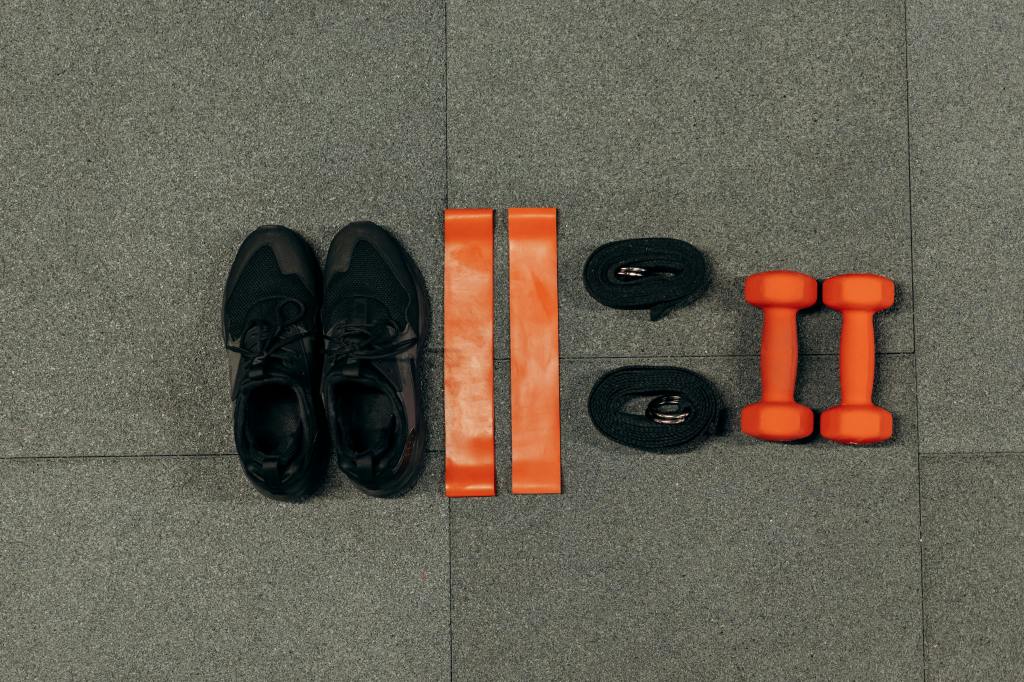
The gym environment offers unique benefits: structured programs, specialized equipment, expert guidance, and community support. However, gym membership isn’t essential for fitness success. Many people thrive with home-based routines, outdoor activities, or community classes.
Movement provides a healthy outlet for emotions, often more effectively than other coping mechanisms. During exercise, your body releases endorphins while simultaneously reducing stress hormones like cortisol. This biochemical shift explains why many people report feeling mentally “cleared” after physical activity, even when initially reluctant to begin.
For those struggling with low energy, movement itself often generates energy. While it seems counterintuitive, gentle activity improves circulation, delivering more oxygen and nutrients throughout your body. Start with brief, manageable sessions rather than exhausting workouts to build this positive energy cycle.
The Social Dimension
Physical activity offers significant social benefits that often go unrecognized. Group classes, team sports, walking clubs, or even regular gym attendance creates community connections, accountability partnerships, and shared experiences that enhance both adherence and enjoyment.
Structured physical education programs teach valuable skills beyond movement: teamwork, resilience, healthy competition, and personal responsibility. These early positive experiences with physical activity shape lifelong attitudes toward movement and health.
Establishing Consistent Habits
Consistency outweighs intensity for long-term health. Regular, moderate activity distributed throughout your week provides greater benefits than occasional intense sessions followed by prolonged inactivity. This approach also reduces injury risk and supports sustainable habits.
Most health authorities recommend at least 150 minutes of moderate aerobic activity weekly, along with muscle-strengthening activities twice weekly. For many people, this might translate to 30 minutes of movement five days weekly, but the specific distribution matters less than overall consistency.
Many people believe they lack time for exercise, yet those with incredibly demanding schedules often maintain consistent movement patterns. The difference typically lies in prioritization rather than actual time availability. Finding small windows for movement—a 10-minute morning walk, brief midday stretching, or active commuting—accumulates significant benefits without requiring large time blocks.
Creating a Sustainable Approach
Taking responsibility for your physical fitness doesn’t mean becoming a fitness enthusiast. Rather, it means acknowledging your agency in making choices that support your wellbeing. Small daily decisions—taking stairs instead of elevators, walking during phone calls, stretching while watching television—contribute meaningfully to your overall movement pattern.
Safety during exercise largely remains within your control through proper form, appropriate progression, and body awareness. Listening to your body’s signals, seeking guidance when needed, and adjusting activities based on your current capacity significantly reduces injury risk.
Understanding why specific movements benefit you increases motivation and adherence. When you recognize how strengthening your core muscles improves posture and reduces back pain, or how cardiovascular exercise enhances brain function, you’re more likely to continue even when motivation naturally fluctuates.
Finding Your Fitness Path
The best approach to fitness always aligns with your preferences, lifestyle, capabilities, and goals. Generic programs often fail because they don’t consider individual differences in schedule, environment, physical capacity, and personal enjoyment. Focus on your unique journey rather than comparing yourself to others or following prescriptive programs that don’t fit your life.
Movement consistency requires finding activities you genuinely enjoy. Experiment with different movement styles—dancing, hiking, cycling, swimming, team sports, or strength training—to discover what feels rewarding and sustainable for you personally. The “best” exercise will always be the one you’ll actually do consistently.
Living Energized
Regular physical activity represents one of the most accessible forms of self-care available. The journey toward fitness isn’t about perfection but rather consistent effort, celebrating small victories, and recognizing that every active choice contributes to your overall wellbeing.
Finding joy in movement makes sustainability possible. Whether through traditional exercise, everyday lifestyle activities, or active hobbies, the path to wellness remains open to everyone willing to take that first step—and then another, creating a momentum that supports lifelong health.
For more research-backed information on movement benefits, visit keepingposted Remember that every step, stretch, and strength-building moment matters in your unique fitness journey.
Looking to melt that stubborn belly fat FAST? 🔥 Java Burn is your secret weapon! Just mix this tasteless powder into your morning coffee and watch the magic happen! 💪

- Unleash Explosive Motivation: Powerful Fitness Quotes Backed By Science
- Jelly Roll Weight Loss: Medical Analysis of a 150-Pound Transformation
- Danielle Macdonald Weight Loss: Her Inspiring Health Transformation
- Med Spa Weight Loss: The Truth Behind Modern Solutions
- Planet Fitness Smith Machine Bar Weight: What You Need to Know
- Elevate Health and Wellness Semaglutide: Transforming Weight Management
- Cupping Treatment for Weight Loss: Does This Ancient Practice Work?
- Tirzepatide Weight Loss Before and After: My 78-Pound Journey
- Ana and Mia: The Dark World of Eating Disorders and Recovery Paths
- Lipo Alternative Guide: 15 Fat Reduction Methods That Actually Work
- Everyday Fitness: Making Active Living Work for You
- Java Burn: The Coffee Supplement Everyone’s Talking About
- Mitolyn Reviews 2025: My 90-Day Test of This Trendy Metabolism Supplement
- Weight Loss Plateau Breaking Techniques: What Finally Worked After Everything Else Failed
- My Struggle and Success: Weight Loss with Thyroid Medication
- The Night Shift Nightmare: My Real Journey with Weight Loss for Shift Workers Schedule
- Fighting the Battle: My Raw Truth About Weight Loss During Menopause Hormones
- My Personal Journey with Weight Loss for Autoimmune Conditions: What Actually Works
- Live Chat Jobs with Flexible Hours for Moms: Work Smart, Mom Hard
- Easy Live Chat Jobs for Beginners in 2025: My Take on Getting Started

 BecomeVibe: Expert Product Reviews & Strategy Tips
Leave a comment