Ugh. The never-ending battle with the scale.
Back in 2017, when my doctor finally put a name to what I’d been experiencing – an autoimmune condition – I had no idea that struggling with my weight would become one of the most frustrating parts of this journey.
I’ve spent countless hours researching, testing, failing, and occasionally succeeding at managing my weight with this extra challenge. So I thought I’d share what I’ve learned about weight loss for autoimmune conditions – both the science and the very personal reality of it. Effective weight loss for autoimmune conditions looks different than conventional approaches, and that’s exactly what I wish someone had told me years ago.

Why It’s Such a Struggle
If you’re reading this, you probably already know. Autoimmune conditions make weight management a whole different ballgame.
My rheumatologist explained it pretty well: “Your immune system is attacking your healthy cells, and that creates a cascade of problems that affect your metabolism.” Great, just what I needed to hear!
Here’s what makes it so damn hard:
My body’s constantly inflamed – like, ALL the time. That inflammation messes with everything. Some days I’ll step on the scale after eating perfectly and exercising, only to be UP two pounds from water retention and inflammation.
Then there’s the medication issue. Prednisone was the worst offender for me. I gained 23 pounds in two months despite barely changing my diet. I remember crying in the doctor’s office when she suggested increasing my dose. “But my face is already so puffy!” She understood but explained we needed to get my condition under control first.
The exhaustion? OMG. Try motivating yourself to exercise when climbing a single flight of stairs leaves you needing a nap. I used to run half marathons before my diagnosis. Last year, I considered it a victory when I could walk around the block without needing to rest.
And my hormones? Completely out of whack. My thyroid function tests came back “normal” but on the low end. Not low enough for medication, but definitely affecting my metabolism.
BREAKTHROUGH WEIGHT LOSS DISCOVERY! 🔥 Mitolyn activates your body’s “skinny switch” that celebrities have been keeping secret!💪 Click here

What Actually Started Working For Me: My Weight Loss for Autoimmune Conditions Strategy
After a lot of trial and error (emphasis on ERROR – I tried some pretty stupid crash diets that made my symptoms WAY worse), I found that focusing on controlling inflammation was the only sustainable approach to weight loss for autoimmune conditions. Standard diet advice just doesn’t cut it when your immune system is attacking itself.
My Anti-Inflammatory Food Journey
I started keeping a food and symptom journal. Not just what I ate, but how I felt after. Patterns emerged that shocked me.
Some of my go-to “healthy” foods were actually making me worse! Tomatoes (which I used to eat daily) turned out to be a major trigger. Who knew?
Instead, I began focusing on:
Lots of green veggies… you know, the usual suspects – kale (which I HATED at first btw), spinach, broccoli. Look, I wasn’t perfect about it. Some days I’d still grab takeout because cooking felt impossible with my fatigue, then feel awful and kick myself for it later.
Wild-caught salmon became my friend, though it was expensive. I’d buy it when on sale and freeze portions. When money was tight, I’d use sardines (sounds gross, but mixed with avocado and lemon, they’re actually decent).
Speaking of avocados – hello, new best friend! The healthy fats helped keep me full and satisfied.
I discovered fermented foods totally by accident. My friend Jess brought homemade kimchi to a potluck (she was in this weird fermentation phase lol), and the weirdest thing happened – I noticed I felt REALLY good the next day. Like, suspiciously good. Now I keep a jar of sauerkraut in my fridge all the time and throw a spoonful into random meals. My boyfriend thinks it’s disgusting, but whatever works, right?
Turmeric was another game-changer. I started adding it to everything. My roommate complained about the yellow stains in our blender from my morning smoothies!
What I Had to Cut Back On (Eventually)
I didn’t eliminate everything at once – that’s a recipe for failure. But over time, I identified my major triggers:
Sugar. This one hurt the most to give up. I still have occasional dark chocolate, but the days of mindlessly munching cookies are behind me. When I slip up (hello, birthday cake), I feel it immediately. The inflammation hangover isn’t worth it anymore.
Those convenient freezer meals I lived on during my worst fatigue days? Had to go. The preservatives and seed oils were silently wreaking havoc.
Alcohol became an occasional thing rather than a weekend regular. Even one glass of wine disrupts my sleep, and poor sleep = more inflammation = weight gain. Talk about an unfair equation!
Gluten and dairy were my personal enemies, though I know people with autoimmune conditions who can tolerate them fine. That’s the frustrating thing – we’re all different.
The AIP Experiment: My Last Resort That Actually Worked
After two years of struggling, I finally got desperate enough to try the Autoimmune Protocol (AIP). My doctor had mentioned it, but it sounded so restrictive I’d put it off.
The elimination phase was HARD. Really hard. No grains, legumes, dairy, eggs, nightshades, nuts, seeds… basically, everything convenient was gone. I nearly quit a week in.
But then something unexpected happened. Around day 10, I woke up and realized my joints weren’t screaming at me. The brain fog lifted a bit. And over the next several weeks, I lost 11 pounds without counting a single calorie.
The reintroduction phase was eye-opening. Eggs? Fine in moderation. Nuts? Also okay. Nightshades? Instant flare. Dairy? Mild symptoms, but worth occasionally having real cheese.
Now I follow what I call “modified AIP” – staying mostly compliant but allowing myself flexibility for special occasions.
My friend Jen with Crohn’s had similar success with AIP. The research supports this too – there was a study in 2019 that showed significant improvement in IBD patients following AIP. For many people like us, addressing inflammation is the missing piece in the weight loss puzzle.
Intermittent Fasting – A Surprising Tool for Weight Loss for Autoimmune Conditions
I was super skeptical about intermittent fasting for weight loss for autoimmune conditions. It sounded like another diet trend, and I’ve tried enough of those to be wary.
But my functional medicine doctor suggested trying a gentle approach – a 12-hour fasting window overnight, gradually extending to 14-16 hours if comfortable.
I usually eat between 11am and 7pm now. No breakfast, which took getting used to since I’d always heard it was the “most important meal.”
The first week, I was HANGRY by morning. Coffee with a tiny bit of coconut oil helped. By week two, I wasn’t hungry until lunchtime anyway.
The benefits surprised me:
- My morning stiffness improved
- I dropped water weight quickly
- My energy became more stable
- My grocery bill went down (bonus!)
My doctor explained that fasting gives the digestive system a break, which reduces inflammation. It also triggers cellular cleanup processes that can be especially beneficial for autoimmune issues.
Don’t jump into this without medical guidance though. Some medications need to be taken with food, and fasting isn’t right for everyone.
Exercise and Weight Loss for Autoimmune Conditions: Moving Without Paying For It Later
Exercise used to be my stress relief before getting sick. Afterwards? Just thinking about my old workout routine would exhaust me. Finding the right movement strategy is crucial for successful weight loss for autoimmune conditions.
Through painful trial and error, I found gentler ways to move:
Walking became my primary exercise. Not power walking – just regular, enjoyable walking. Sometimes just 10 minutes when that’s all I had energy for.
Swimming was amazing when my gym finally reopened after COVID. The weightlessness takes pressure off painful joints.
Gentle yoga – and I mean GENTLE. Not the Instagram-perfect power yoga. Just basic stretching with mindful breathing.
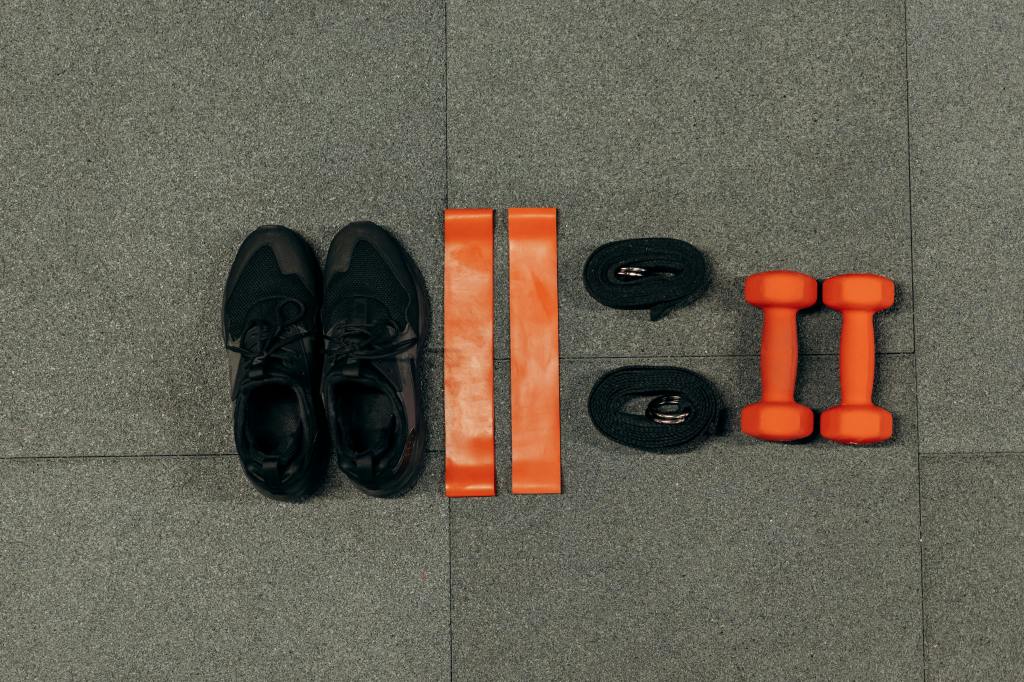
Resistance bands instead of weights. They’re less likely to cause injury and I can adjust the intensity easily.
The hardest lesson? Accepting that exercise looks different now. Some days, stretching in bed is all I can manage. And that’s okay.
When I do have a good day, I’ve learned not to overdo it. That’s a recipe for a three-day flare.
The Stress Factor – Way Bigger Than I Realized
My rheumatologist once told me that stress can trigger inflammation as much as food. I didn’t fully believe her until I went through a breakup and watched my symptoms flare dramatically for weeks.
Managing stress became as important as managing my diet:
I started with just 5 minutes of meditation each morning. It felt pointless at first, but after a couple weeks, I noticed I was handling work stress better.
The 4-7-8 breathing technique became my go-to when I feel my shoulders creeping up toward my ears (breathe in for 4, hold for 7, exhale for 8).
Sleep became non-negotiable. I used to pride myself on functioning on 5-6 hours. Now I protect my 8 hours fiercely. Nothing impacts my pain levels and weight like poor sleep.
Nature time helps reset my nervous system. Even a 15-minute sit in the park near my apartment makes a difference.
Journaling helps me process emotions instead of stress-eating them. Not every day, but when I’m feeling overwhelmed.
Finding friends who understand chronic illness was life-changing. Not having to explain or justify my limitations removed a huge source of stress.
Supplements That Actually Helped
I was skeptical about supplements. The industry is full of false promises, especially around weight loss.
But working with my doctor, I found a few that made noticeable differences:
Vitamin D – My levels were scary low (17 when the reference range starts at 30). Supplementing made a huge difference in my energy and pain levels within about 6 weeks.
Fish oil – On days when I don’t eat fatty fish, taking a high-quality omega-3 supplement helps keep inflammation in check.
A specific probiotic strain (Lactobacillus rhamnosus) that research showed might help with my particular condition.
Curcumin – More potent than just using turmeric in cooking. This helps manage the day-to-day inflammation.
Magnesium glycinate before bed – Game changer for my sleep quality.
I’m careful about what I take, though. Some supplements can interact with medications or even trigger autoimmune flares. Always check with your doctor.
Medication Reality Check
This is the part no one talks about enough. The very medications that keep my autoimmune condition from destroying my joints can make weight loss nearly impossible sometimes.
Working with my doctor, we found some approaches that help:
Taking certain medications at specific times relative to meals.
Finding alternatives with fewer weight-related side effects when possible.
The most helpful change came when my lifestyle modifications actually allowed us to reduce some medication dosages. Less medication → fewer side effects → easier weight management.
Regular lab work and symptom tracking helps us make these decisions safely.
My Personal Approach to Weight Loss for Autoimmune Conditions Now
After five years of living with my condition, here’s what my sustainable weight loss for autoimmune conditions approach looks like:
I focus on anti-inflammatory foods about 80% of the time, leaving room for the occasional treat or social meal.
I practice intermittent fasting most days (11am-7pm eating window).
I move my body daily, but gently – usually walking, swimming, or gentle yoga.
I prioritize sleep above almost everything else.
I take my targeted supplements consistently.
I track my symptoms, not just my weight, to understand what’s working.
Most importantly, I’ve learned to be patient and kind with myself (still working on this one, tbh). Weight loss with autoimmune disease sure as hell isn’t linear. I might lose steadily for a few weeks, feeling all proud of myself, then BOOM – sudden flare and I’m up 4 pounds of water weight overnight. Before, I’d get so discouraged I’d face-plant into a pint of ice cream and give up completely. Now I try to recognize it as part of this stupid, complicated process. Some days I’m better at that than others.
Real People, Real Results with Weight Loss for Autoimmune Conditions
My support group for weight loss for autoimmune conditions has been a source of inspiration:
Lisa has lupus and lost 34 pounds in 7 months following an anti-inflammatory approach. More importantly, her joint pain improved enough that she could reduce her prednisone dose.
Marcus struggled with weight gain after his ankylosing spondylitis diagnosis. By combining IF with gentle strength training, he’s lost 42 pounds and maintained it for over a year.
Elena (who’s actually my sister-in-law) discovered that addressing hidden food sensitivities was her key to managing both Hashimoto’s symptoms and weight. She’s down 28 pounds and has more energy than she’s had in years. She had no idea she was sensitive to eggs of all things until she did an elimination diet.
What all these stories have in common: personalization, patience, and persistence. And honestly? A fair amount of frustration and tears along the way. Anyone who tells you it’s easy is either lying or trying to sell you something.
Some Final Thoughts on Weight Loss for Autoimmune Conditions
This journey has taught me that weight loss for autoimmune conditions isn’t about willpower or just “eating less and moving more.” Our bodies literally work differently. The conventional weight loss wisdom often fails us when dealing with complex autoimmune issues.
Success comes from working with your body instead of fighting against it. By focusing on reducing inflammation first and foremost, the weight often follows.
Remember that this isn’t just about looking different – it’s about feeling better, having more energy, experiencing less pain, and reclaiming parts of your life.
Be patient with yourself. Your body is fighting a significant battle every day. Creating positive changes takes time.
I hope sharing my messy, imperfect journey with weight loss for autoimmune conditions helps you feel less alone in this struggle. God knows I needed that when I was starting out. The path to sustainable weight loss for autoimmune conditions is super individualized – what works for me might not work exactly the same for you (bodies are weird like that), but the principles of reducing inflammation, finding your triggers, moving gently, and managing stress apply to most autoimmune conditions.
Would love to hear what’s worked for you or answer questions in the comments! Or just vent about how unfair this whole autoimmune weight struggle is. Sometimes that helps too.
Sending gentle hugs (unless you’re having a don’t-touch-me flare day, in which case, sending good vibes from a respectful distance).
-Sarah
P.S. Always check with your healthcare provider before making significant changes to your diet or exercise routine, especially when managing an autoimmune condition.
Looking to melt that stubborn belly fat FAST? 🔥 Java Burn is your secret weapon! Just mix this tasteless powder into your morning coffee and watch the magic happen! 💪 Click here
- Unleash Explosive Motivation: Powerful Fitness Quotes Backed By Science
- Jelly Roll Weight Loss: Medical Analysis of a 150-Pound Transformation
- Danielle Macdonald Weight Loss: Her Inspiring Health Transformation
- Med Spa Weight Loss: The Truth Behind Modern Solutions
- Planet Fitness Smith Machine Bar Weight: What You Need to Know
- Elevate Health and Wellness Semaglutide: Transforming Weight Management
- Cupping Treatment for Weight Loss: Does This Ancient Practice Work?
- Tirzepatide Weight Loss Before and After: My 78-Pound Journey
- Ana and Mia: The Dark World of Eating Disorders and Recovery Paths
- Lipo Alternative Guide: 15 Fat Reduction Methods That Actually Work
- Everyday Fitness: Making Active Living Work for You
- Java Burn: The Coffee Supplement Everyone’s Talking About
- Mitolyn Reviews 2025: My 90-Day Test of This Trendy Metabolism Supplement
- Weight Loss Plateau Breaking Techniques: What Finally Worked After Everything Else Failed
- My Struggle and Success: Weight Loss with Thyroid Medication
- The Night Shift Nightmare: My Real Journey with Weight Loss for Shift Workers Schedule
- Fighting the Battle: My Raw Truth About Weight Loss During Menopause Hormones
- My Personal Journey with Weight Loss for Autoimmune Conditions: What Actually Works
- Live Chat Jobs with Flexible Hours for Moms: Work Smart, Mom Hard
- Easy Live Chat Jobs for Beginners in 2025: My Take on Getting Started

 BecomeVibe: Expert Product Reviews & Strategy Tips
Leave a comment